
KOA designs and constructions
Building high tech constructions
Advantages of Factory-Built Floating Container Homes
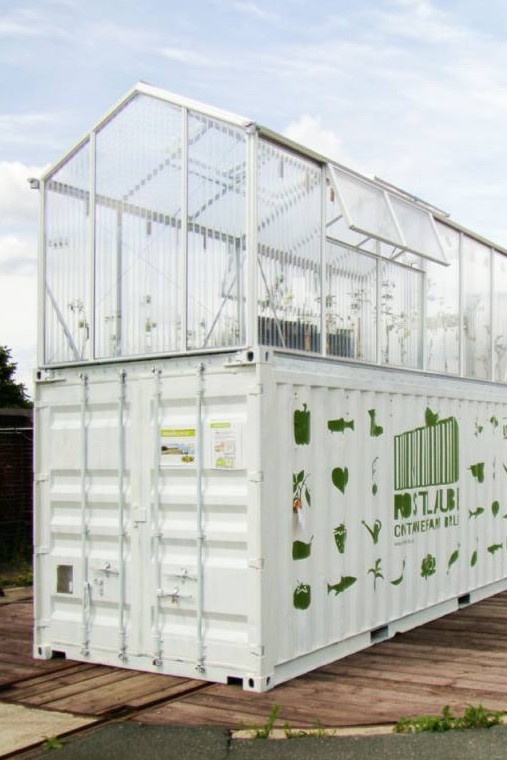
Constructing houses on water using factory-modified shipping containers offers a compelling blend of durability, speed, and location independence. Shipping containers are inherently strong, made of Corten steel designed to withstand extreme marine environments and heavy stacking, making them ideal structural components for a floating platform when properly sealed and reinforced. By leveraging modular, off-site construction within a controlled factory environment, builders benefit from significantly faster build times—often completing a module in weeks rather than months—with predictable quality and cost control, as most inspection work is completed pre-delivery. This modular approach is particularly advantageous for floating homes, as the completed, structurally sound units can be easily transported and lifted onto a specialized water-base or pontoon system at the desired coastal or inland water location, addressing affordable housing needs quickly and sustainably.
Practical Automation in Container Home Manufacturing
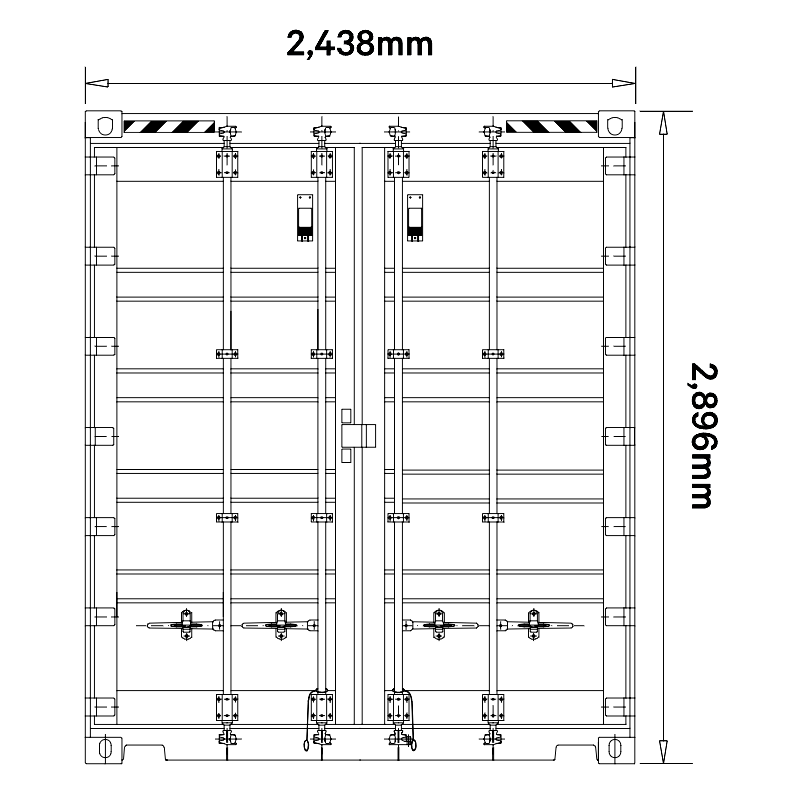
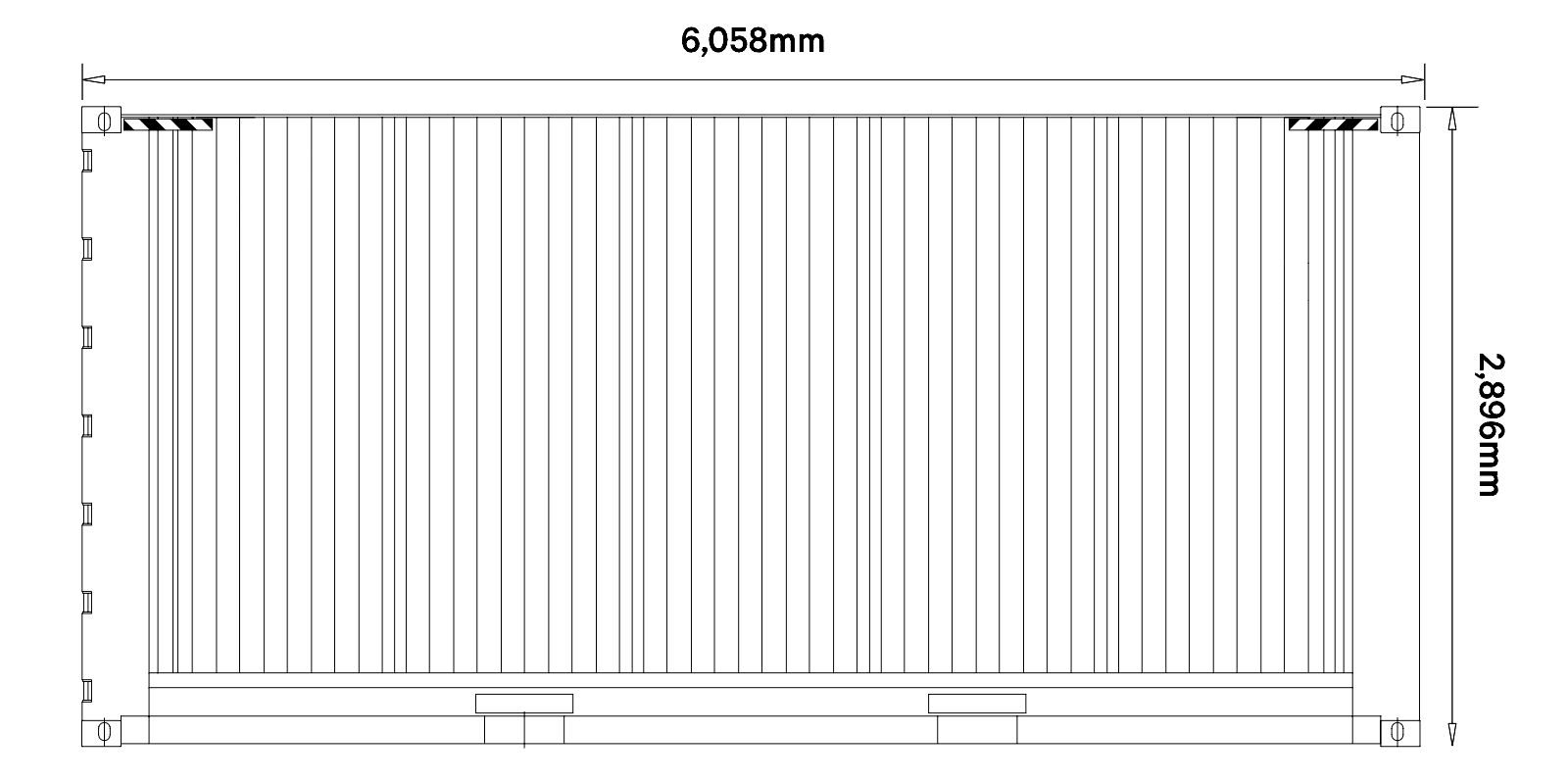
The factory-floor construction of container homes is perfectly suited for high levels of automation, transforming the process from traditional building into advanced manufacturing. The standardized dimensions of shipping containers (20ft or 40ft) allow for predictable, repeatable tasks that robots excel at. Automation can begin with precision laser and plasma cutters that carve out openings for windows, doors, and utilities in minutes. Robotic welding arms can then reinforce structural integrity around these cuts and assemble multi-container units with high accuracy. The subsequent stages—applying closed-cell foam insulation, installing wiring and plumbing, and applying interior finishes—can be managed by specialized robotic systems guided by digital models, minimizing human error and waste. This industrial, automated process significantly reduces labor costs, increases output volume, and ensures consistent quality control for every modular unit.
AI Integration for Architectural Design
Artificial Intelligence and generative design are crucial for maximizing the efficiency and creativity of modular construction, especially for floating structures. AI can integrate data from various sources, including material costs, structural stress tolerances (critical for water-based foundations), energy efficiency goals, and zoning regulations, to rapidly generate thousands of optimized floor plan and configuration options. Generative design tools allow architects to input constraints (e.g., maximizing natural light or minimizing construction cost) and have the AI produce design variations that a human designer might overlook. For floating homes, AI can specifically optimize the distribution of weight within the containers to ensure stability and buoyancy on the pontoon system. This AI-driven workflow shortens the design phase, ensures compliance, and allows for greater customization within a standardized modular framework, offering a more efficient and responsive solution to modern housing demands.
Modelizing