
KOA agencia for Lisbon and local area
Building relationships with our clients
BUILDING FOR CLIMATE CHANGE
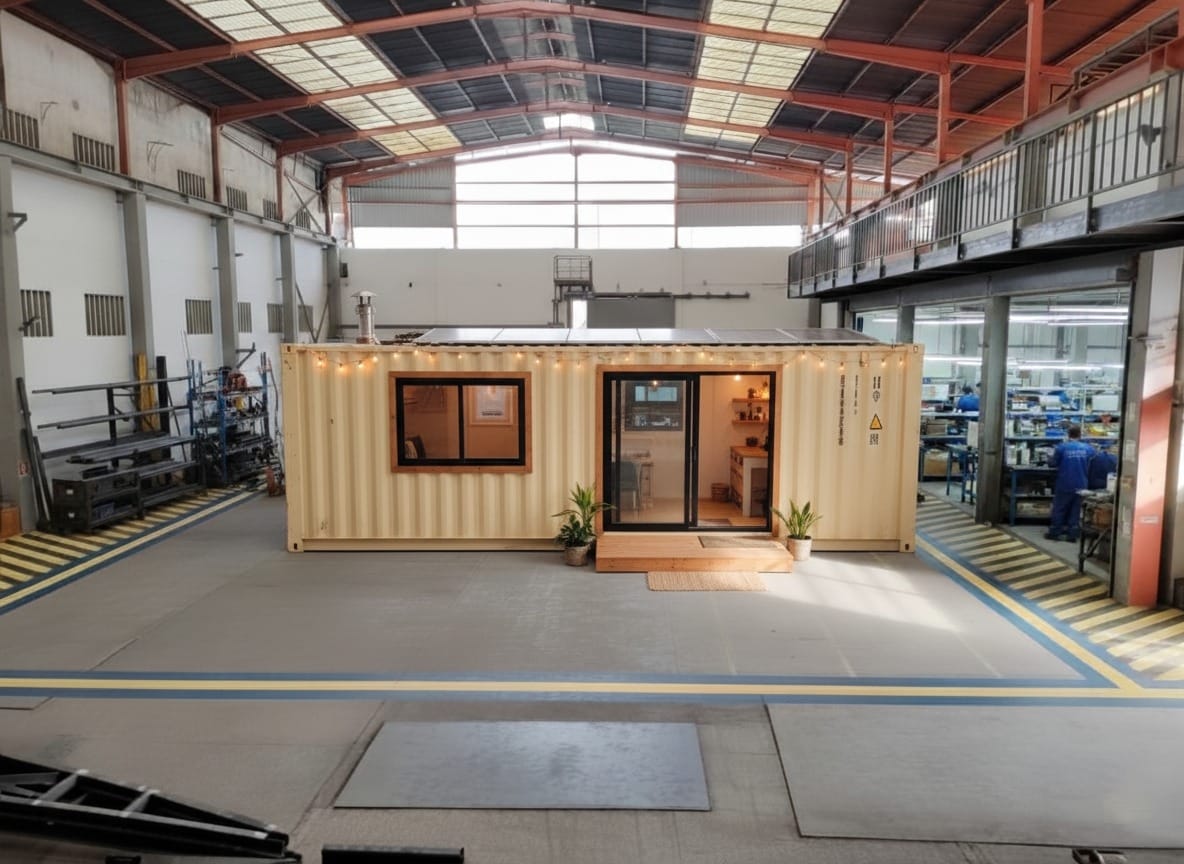
Building houses on water in a hangar factory—a process often called prefabrication or modular construction—represents a significant evolution in housing. This method allows the entire structural process, from initial framework to final finishes, to be executed in a controlled indoor environment. By centralizing all procedures within one facility, manufacturers can ensure consistent quality, optimize material use, and minimize waste, regardless of external weather conditions. This factory setting also facilitates the integration of advanced technologies and specialized machinery, leading to greater precision and often a faster, more streamlined production schedule compared to traditional, on-site construction methods.
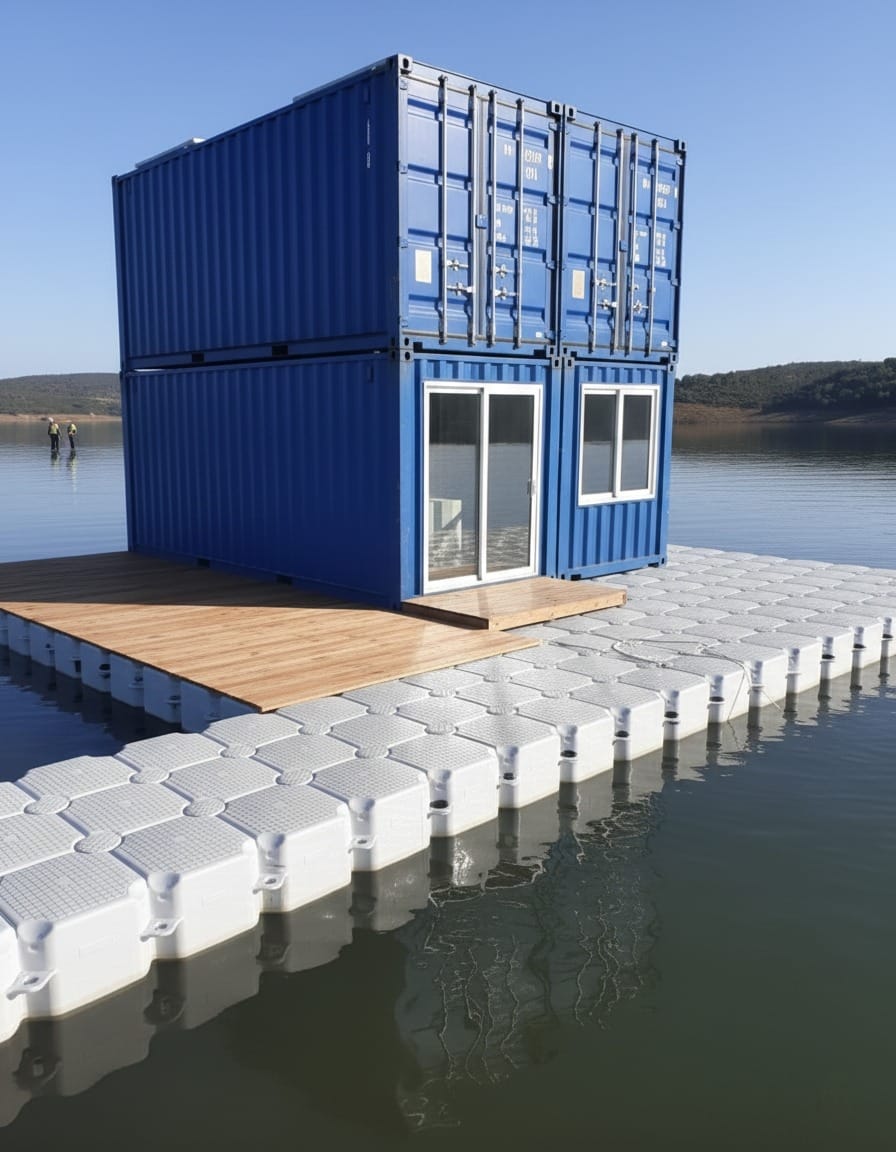
Once the floating house is complete inside the factory, the next critical step is transportation to its final waterfront location. For this to be feasible, the design must inherently be modular and robust. Smaller or mid-sized homes can often be segmented and loaded onto trucks for road transport. Larger, monolithic structures, or those destined for significant distances across water bodies, will require specialized transport via barge or boat. This logistics phase requires meticulous planning, including surveying transport routes for clearances, managing permitting, and ensuring the structure is properly secured for the journey, highlighting the importance of designing the structure with both manufacturing and transit in mind.
The shift to this "manufacture and transport" model offers numerous benefits for building on water. It drastically reduces the environmental impact at the final site, as all major construction noise, debris, and disruption are contained within the factory. Furthermore, this method allows for a higher volume of production and can potentially make specialized floating homes more accessible and affordable. By removing the dependency on costly, often weather-dependent on-site marine construction, this innovative approach promises a more efficient, sustainable, and scalable solution for expanding housing options onto our planet's underutilized waterways.
GARCIA DAVID